PR Newswire / Cision
Distribution Platform
Our objective was to improve our legacy process of ordering press releases online without negatively impacting a $400 million per year revenue stream.
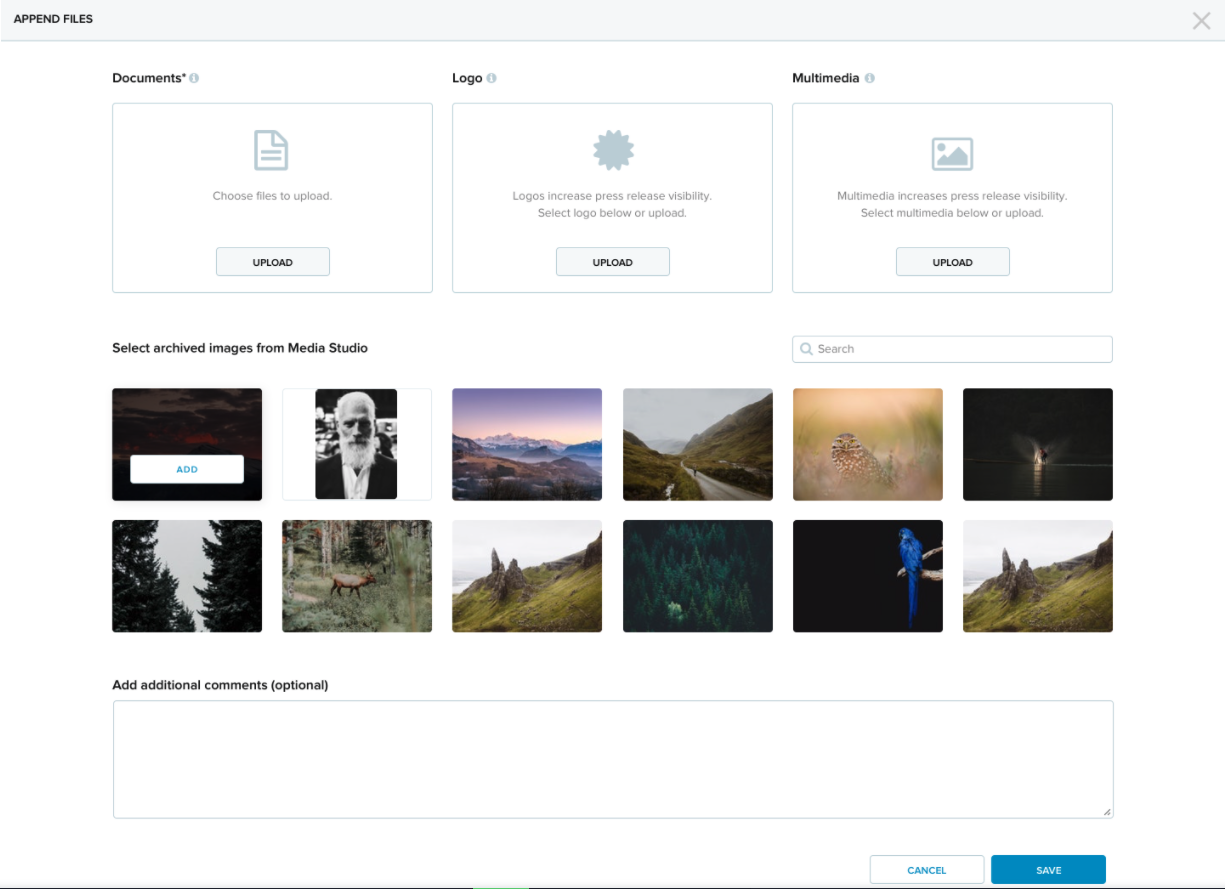
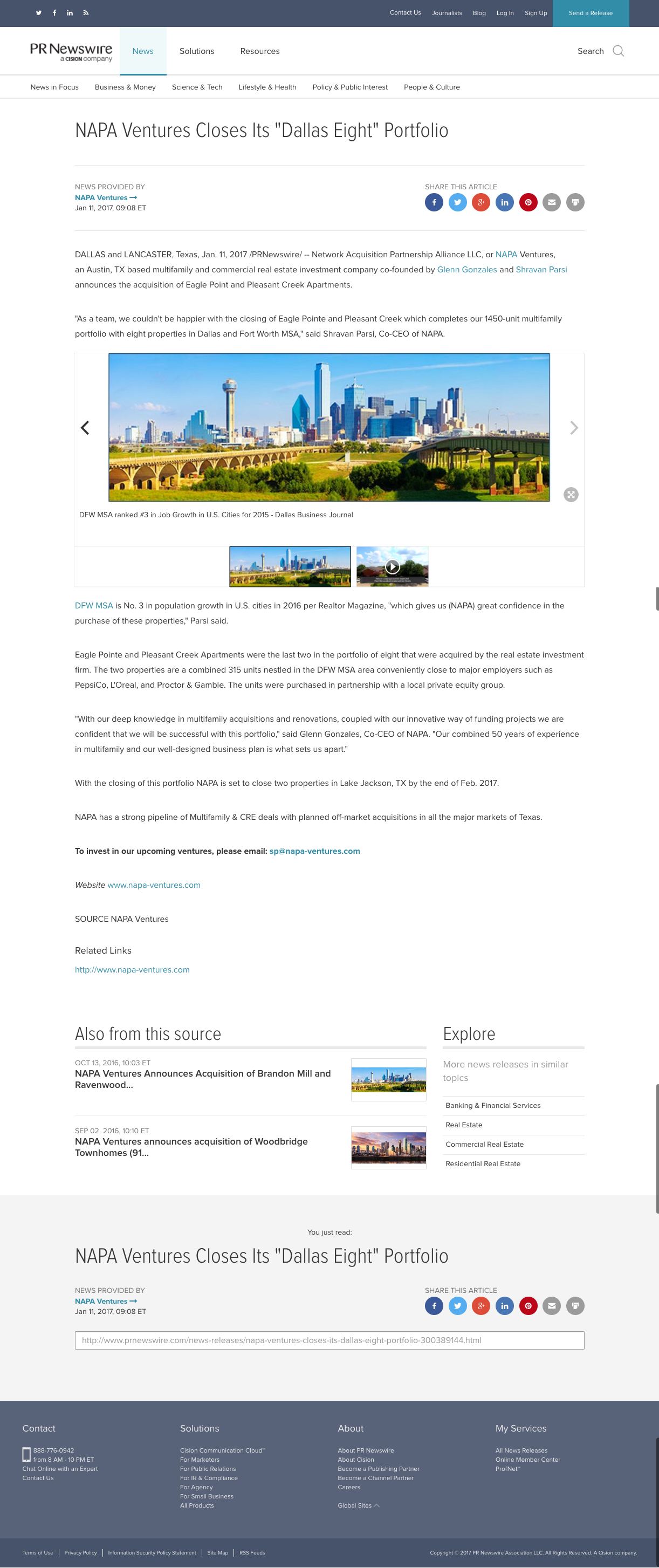
We set out to build a new platform for press release distribution that would improve retention and yield by streamlining the experience and introducing smarter recommendations that were traditionally provided through high touch consultation with our account teams.
Contributions
- User Research
- Persona Development
- Design Strategy
- Concepting
- UX Design
- Progress Measurement
Research
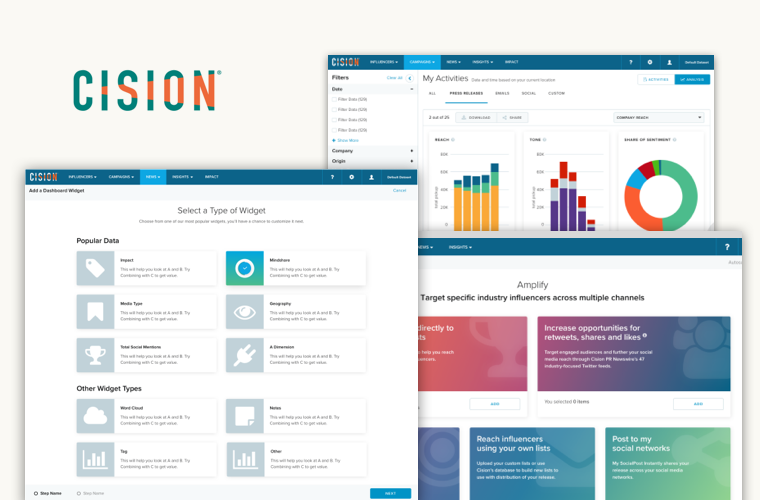
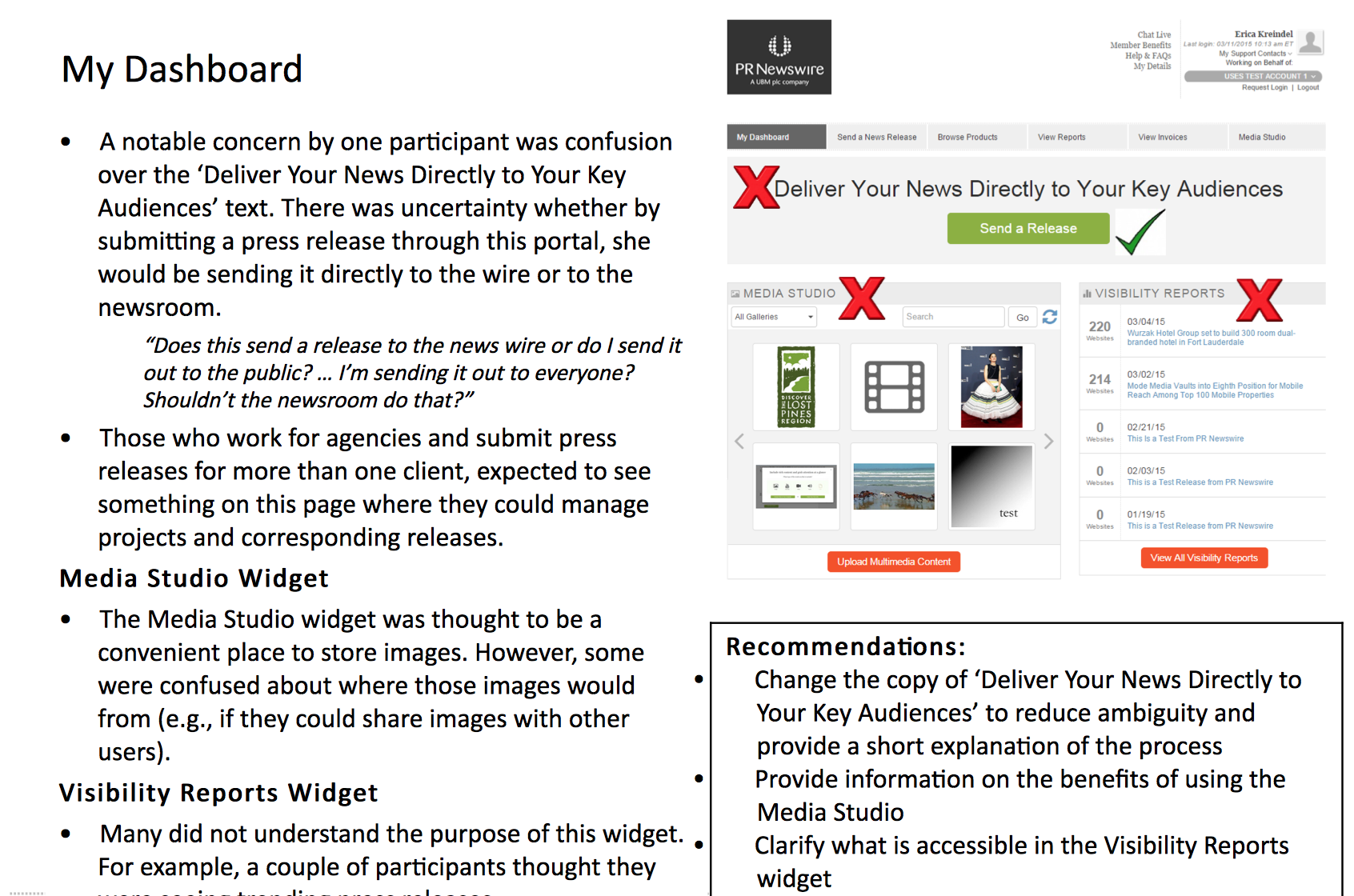
We collaborated on a script to understand what worked and what did not within the legacy system or any regional variations. The team conducted interviews with customers on our list of advisory board members as well as sales, support and customer service representatives. We transcribed and documented findings for later circulation.
User Personas
We worked as a team to identify primary user personas and re-validated them with customers during subsequent interviews. Specific user personas were applied to epics and stories to ensure everyone knew who was the subject.

Legacy Measurement
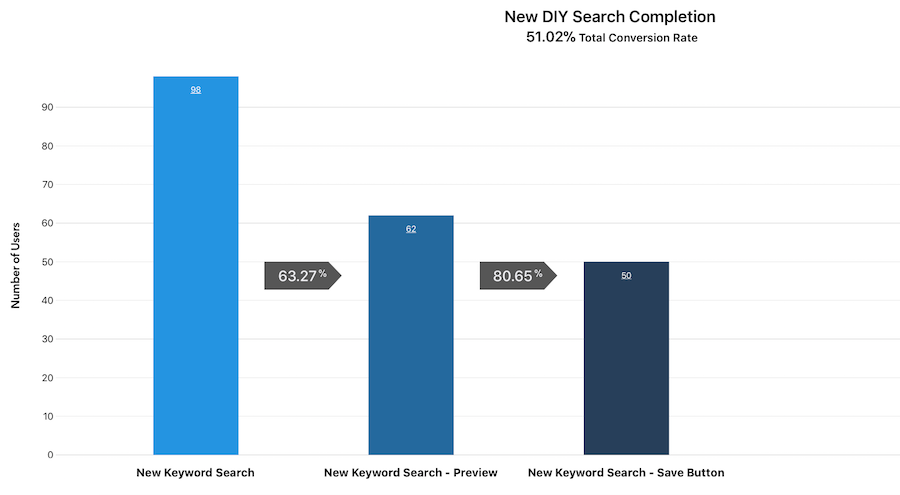
We simultaneously referenced usage data from Google and Adobe Analytics to understand conversion rates, identify points of friction, identify features that were going unused and any other insights that could inform our approach.

Low Fidelity
The team started to lay down broad strokes starting with customer flows and worked up to wireframes to provide an idea of core steps in the workflow. Working rough helps to minimize time to produce while setting the expectation among internal stakeholders that feedback is healthy during this malleable phase.

High Fidelity
Through many rounds of internal and external feedback, we work in progressively higher fidelity outlining variables in flows, technical considerations, language and translations, onboarding and training, product recommendations, and more towards our functioning prototype.
Beta Launch
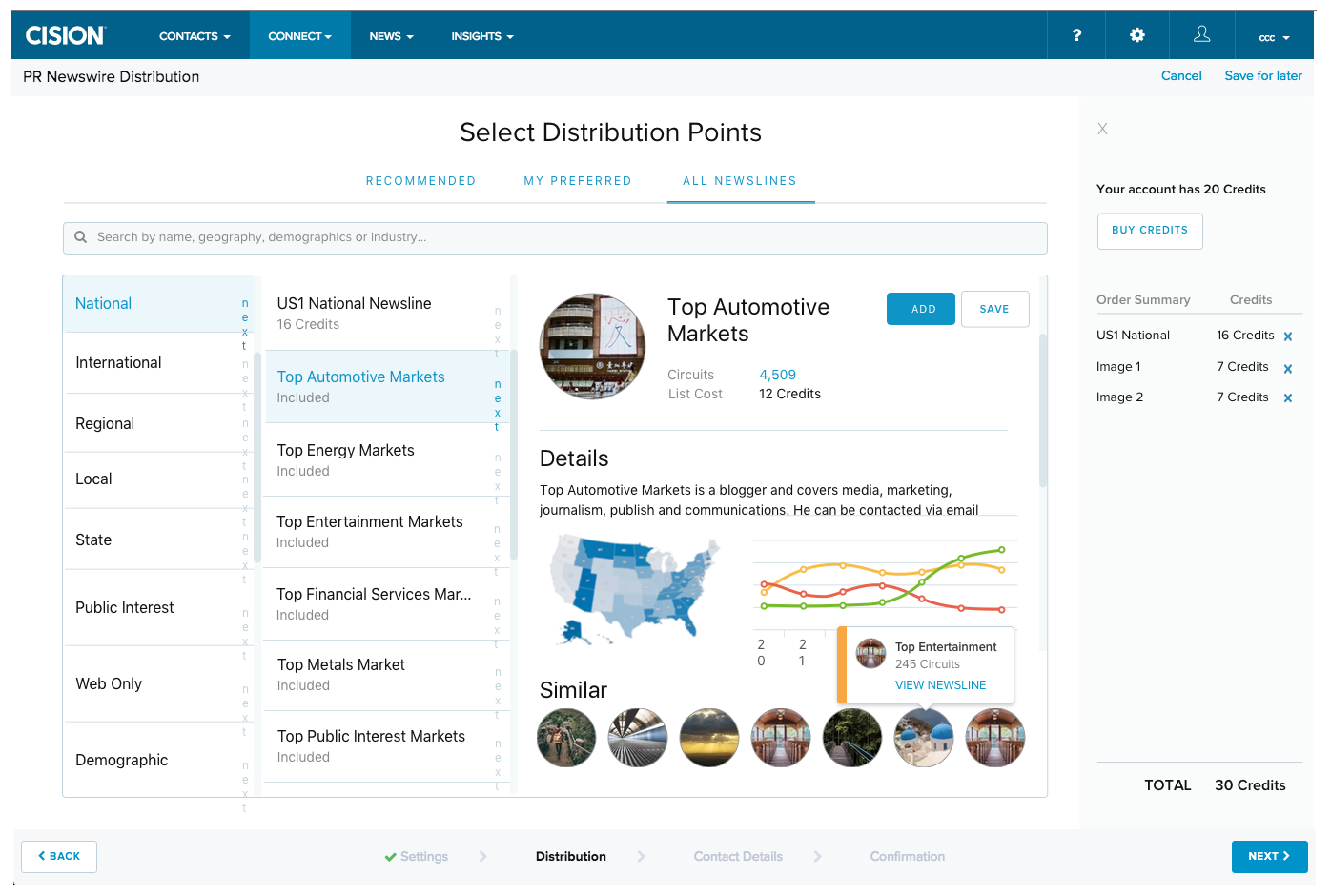
We launched the app to a subset of our Canadian market given that the requirements between the countries were 90% identical. We measured the performance to benchmarks and reached out to participants for specific feedback to understand friction and opportunities prior to a full-scale launch in the US.
Iteration
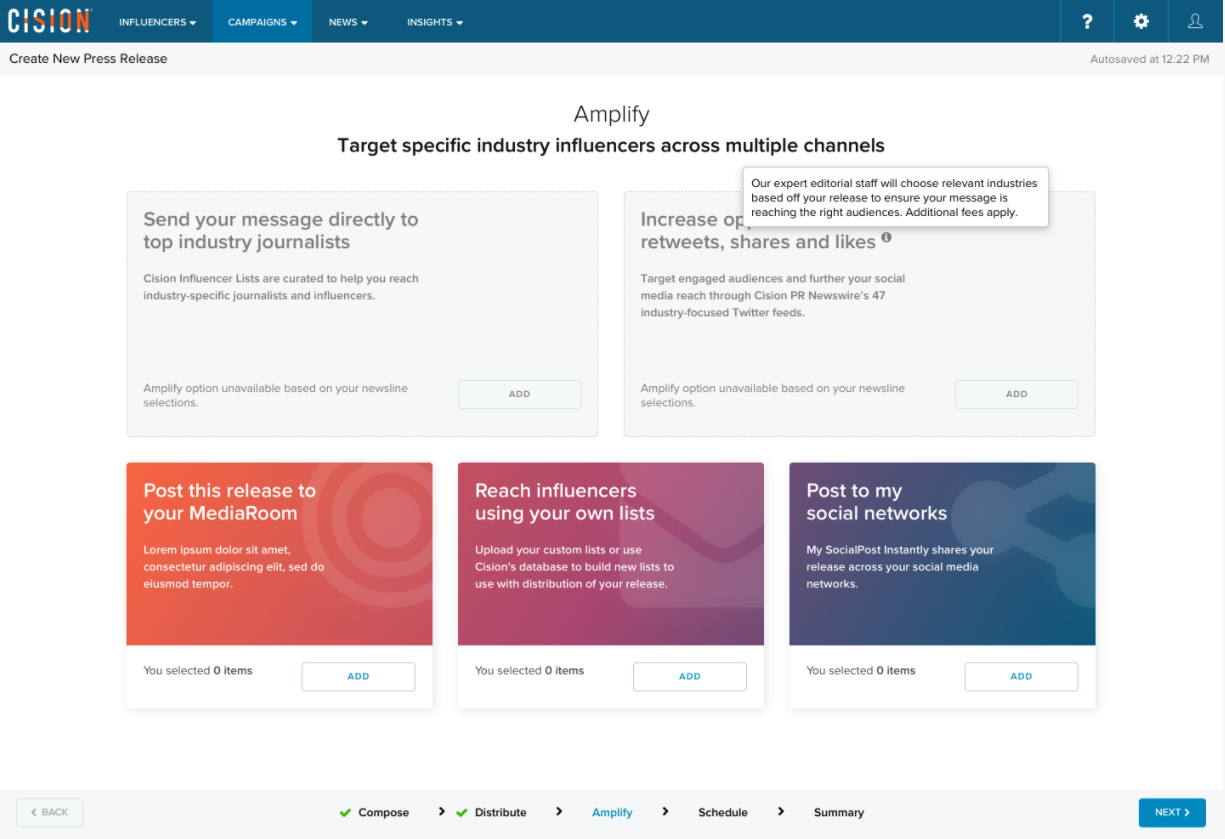
I approached this initiative as an opportunity to build an engine for learning. We worked to release the simplest form of our core offering and got it into the hands of real users as quickly as a large organization such as ours would allow. Knowing that the bar was set low, we wanted to reach it and move past the status quo and into the exciting phase of innovation as soon as possible. This is where we have started to tune this engine with sophisticated recommendations based on concept extraction, business intelligence, and more.
Outcomes
We rapidly designed many interface options that would solve for our selected concept which assumed our users would require some level of in-app assistance to utilize the solution it to its potential. We explored options that would optimize the onboarding experience while making clear the benefits of our App vs native ChatGPT or other available resource.
UI Design
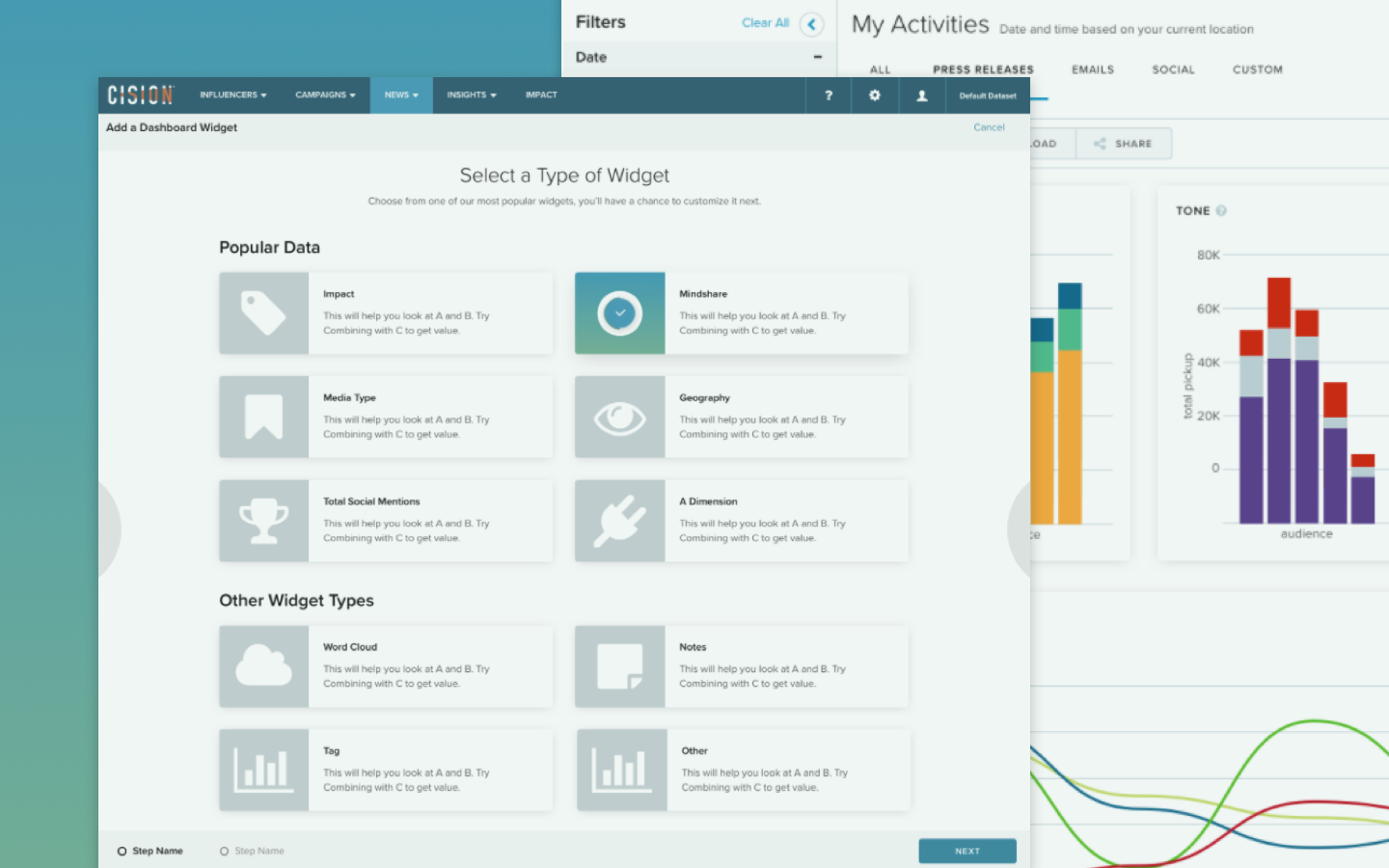
Once the team agreed on the scope, we began mocking up high fidelity screens that captured the spirit of our concept. We leveraged illustration and tone from our customer-centric experiences in an attempt to lower the barrier to entry for our less tech-savvy audience. We designed mobile, tablet, and desktop initial phase screens as well as phase 2 features to mitigate the need for design refactoring in the near future. This also helped set expectations with stakeholders on what’s now, what’s soon, and what’s later.

Release
We released the solution in beta to our core persona and some adjacent participants to establish a baseline understanding of adoption and usage. We put out a signup form to request access to understand which departments we might expand to next. We measured things like number of responses copied, number of follow-up prompts, repeat usage, and satisfaction survey responses.
Learn
We learned that users did indeed find value in a simple implementation of an internal AI tool without the security risks of native tools. We also found that the department-specific data loaded for our initial persona proved to be a huge time saver and led to a surge of access requests from other departments. On the flip side, we learned that the help documentation provided was not widely utilized and that we would not have to invest in the creation of more to help with onboarding. The search itself was enough to get folks up and running.
Iterate
From the hackathon proof of concept to initial release, we spent about four 2-week sprints. The MVP helped us make minor course corrections in strategy and prioritize the expansion to additional departments. We began utilizing the tool itself to build proto personas that we would confirm through subsequent research. We expanded from our product org to our dealership network layering in additional capabilities to bring us to parity with ChatGPT and expanded data sources and integrations.